


Today we leave Egypt with Chapters 2 and 3…
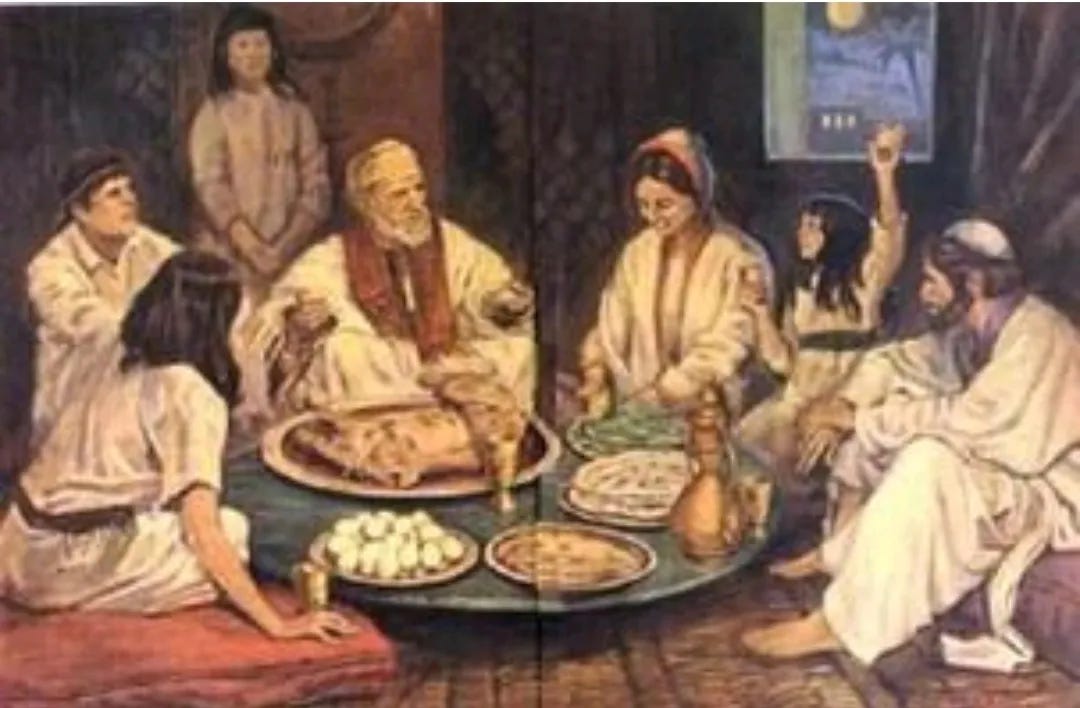
EXODUS: THE QUEST FOR FREEDOM
by Daniel A Clarke-Serret
CONTENTS
PROLOGUE: The Creation of Unity. Putting Humpty Dumpty together again
EXODUS: THE QUEST FOR FREEDOM. A Short Introduction
CHAPTER 1 (Shemot, Exodus 1:1-6:1): Moses, his African Wife & Conversion to Judaism
CHAPTER 2 (Va’eira, 6:2-9:35): Gandhi, the Lancastrians & the Exodus of the Egyptians
CHAPTER 3 (Bo, 10:1-13:16): And so the National Story Begins…
CHAPTER 4 (Beshallach, 13:17-17:16): On Doubt and Anxiety
CHAPTER 5 (Yitro, 18:1-20:23): A Kingdom of Followers
CHAPTER 6 (Mishpatim, 21:1-24:18): The Original “Judicial Coup”
CHAPTER 7 (Terumah, 25:1-27:19): Land of the Free, Home of the Brave
CHAPTER 8 (Tetzaveh, 27:20-30:10): Love Peace and Pursue it
CHAPTER 9 (Ki Tisa, 30:11-34:35): Holding out for a Leader
CHAPTER 10 (Vayakhel-Pekudei, 35:1 - 40:38): Exodus Denied: The Rejection of Freedom
CONCLUSION: Why have I written commentaries on Exodus?
EPILOGUE: A Tribute to Rabbi Jonathan Sacks
CHAPTER 2: Va’eira
Gandhi, the Lancastrians & the Exodus of the Egyptians
We now turn to that part of the Torah dealing with the first 7 of the “Ten Plagues”.
Any blockbuster or child’s retelling of this story can be sure to concentrate on the two protagonists: Moses and Pharoah. The repeated refrain of “Let my people go” from the former and the hardened heart of the latter. Little commented on, however, is what was going on in Egyptian society and in the minds of the Egyptians facing a destroyed economy and a moral revolution. All they ever knew, all they ever were taught to believe in, was being torn apart in front of their eyes. Where did their sympathies lie? With their own leader defending the slave-owning way of life that made them the world economic powerhouse? Or with the oppressed slaves who were rebelling for their liberty?
It is important to note that which is often left unnoted. In the reading of the Rabbis, not all of the Hebrews actually left Egypt during the Exodus. The text says only ONE FIFTH actually took the plunge and went from the known discomfort of bondage into the unknown anxiety of the desert. [“The Children of Israel were Chamushim when they went up from Egypt.” (Exodus 13:18). Rashi explains that the word Va’Chamushim is spelled without a Vav. This leaves it open to be read as Chamesh, which means “one-fifth”]. By contrast, many of the Egyptians chose to leave to follow Moses, most notably Pharoah’s daughter. We are told that “a mixed multitude” went into the wilderness.
This Sedrah (portion) was also my Bar Mitzvah reading. When I was singing from the text, I was particularly drawn to the phrase “Etzbah elohim he” (“this is finger of God”); the cantillation notes placed an emphasis on this expression. These were the words of the Egyptian magicians after the third plague (Exodus 8:19) when they realised that they were unable to reproduce this act of God, in contrast to the first two plagues which they were able to imitate. Through the telling of each plague we see a clear development in the thinking of the Egyptian polity. Starting with the magicians, sector after sector of Egyptian society begin to accept the truth about their system of repression and the power of God.
The magicians are followed by the officials. After the plague of hail we are told, “Those officials of Pharaoh who feared the word of the Lord hurried to bring their slaves and their livestock inside. But those who ignored the word of the Lord left their slaves and livestock in the field.” (9:20-21) After came the courtiers of Pharoah who begin with scepticism but ultimately come to the right conclusion. After the plague of darkness they say to the King, “How long shall this one be a snare to us? …. Are you not yet aware that Egypt is lost?”
Finally we are told of the citizenry of Egypt who - far from hating Moses and his people- looked upon them in a positive light. Thus relates chapter 11: “Tell the people to borrow, each man from his neighbour and each woman from hers, objects of silver and gold. God disposed the Egyptians favorably toward the people. Moreover, Moses himself was much esteemed in the land of Egypt, among Pharaoh’s courtiers and AMONG THE PEOPLE.” Esteemed! By the end of the whole episode, the justice of the Israelite case is accepted by all to such an extent that many Egyptians left with the liberated population.
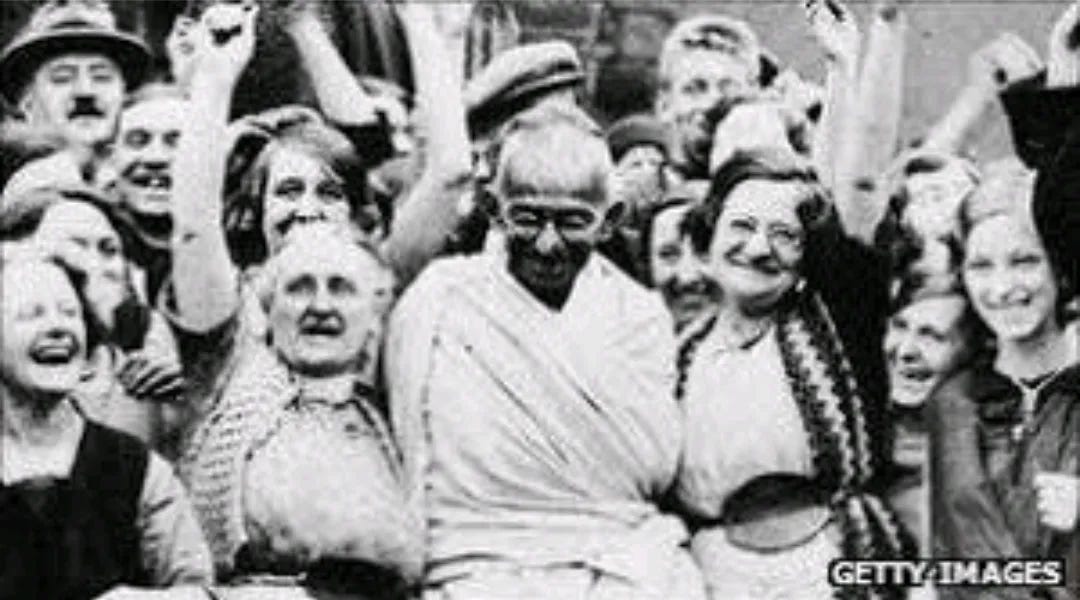
My mind is drawn to the famous image of Gandhi, liberator of India from the British, surrounded by a group of Lancastrian mill workers in the North of England. He had been invited to see for himself the hardship being suffered by the textile industry which had been decimated by the Indian independence movement’s boycott of British goods. The Mahatma told them that the boycott would stay with the inevitable effect that their industry would fall into greater decline and they into further poverty. But far from hating him or greeting him with anger, they treated him like a liberator and held him in great esteem. The joy on their faces speaks a thousand words.
As with the British and Indians, so with the Egyptians and Israelites. The Egyptian economy and power may have been on the point of a revolutionary tipping point, but Moses became their hero. The minds of a vast multitude - Egyptian and Israelite followers of Moses alike - were liberated from a slave mentality; the minds of the rest remained in captivity in Egypt.
In this world there are no Indians or British. No Egyptians or Israelites. There are the enslaved and the free. And that knows no race and no creed. It just knows the unshackled mind.

CHAPTER 3: Bo
And so the national story begins….
Exodus 13:7-8: “Unleavened bread shall be eaten for seven days….. You shall tell your son on that day, ‘It is because of what the Lord did for me when I came out of Egypt.’”
This chapter’s Torah portion deals with the last 3 plagues and the end of the slavery in Egypt. Perhaps even more significantly it details the start of the Jewish (or Hebrew) national story.
