Help us end The Great Genocide Blood Libel today. Sign up as paid to Guerre and Shalom and read/spread this important work. In Part II, we discussed the destruction of language, definition and meaning. In Part III, we discuss the rise of a post-linguistic religion.
THE GENOCIDE OF TRUTH: The Deep Roots of a Modern Blood Libel
by Daniel Clarke-Serret
Introduction: The Genocide of Truth
PART 1: The Tree of Knowledge
Chapter 1: Truth // Chapter 2: Ideology // Chapter 3: Religion // Chapter 4: Science // Chapter 5: Attention // Chapter 6: Distraction // Chapter 7: (True) Expertise // Chapter 8: Authority
PART 2: The Descent to Babylon
Chapter 9: Declaration // Chapter 10: Confusion // Chapter 11: Conversation // Chapters 12: Democratisation // Chapter 13: Sophistry // Chapter 14: Image
PART 3: The Rise of Byzantium
Chapter 15: Guilt (below) // ….
Chapter 15: Guilt
The Psychology of White Privilege Ideology

“People hasten to judge in order not to be judged themselves.”
― Albert Camus, The Fall
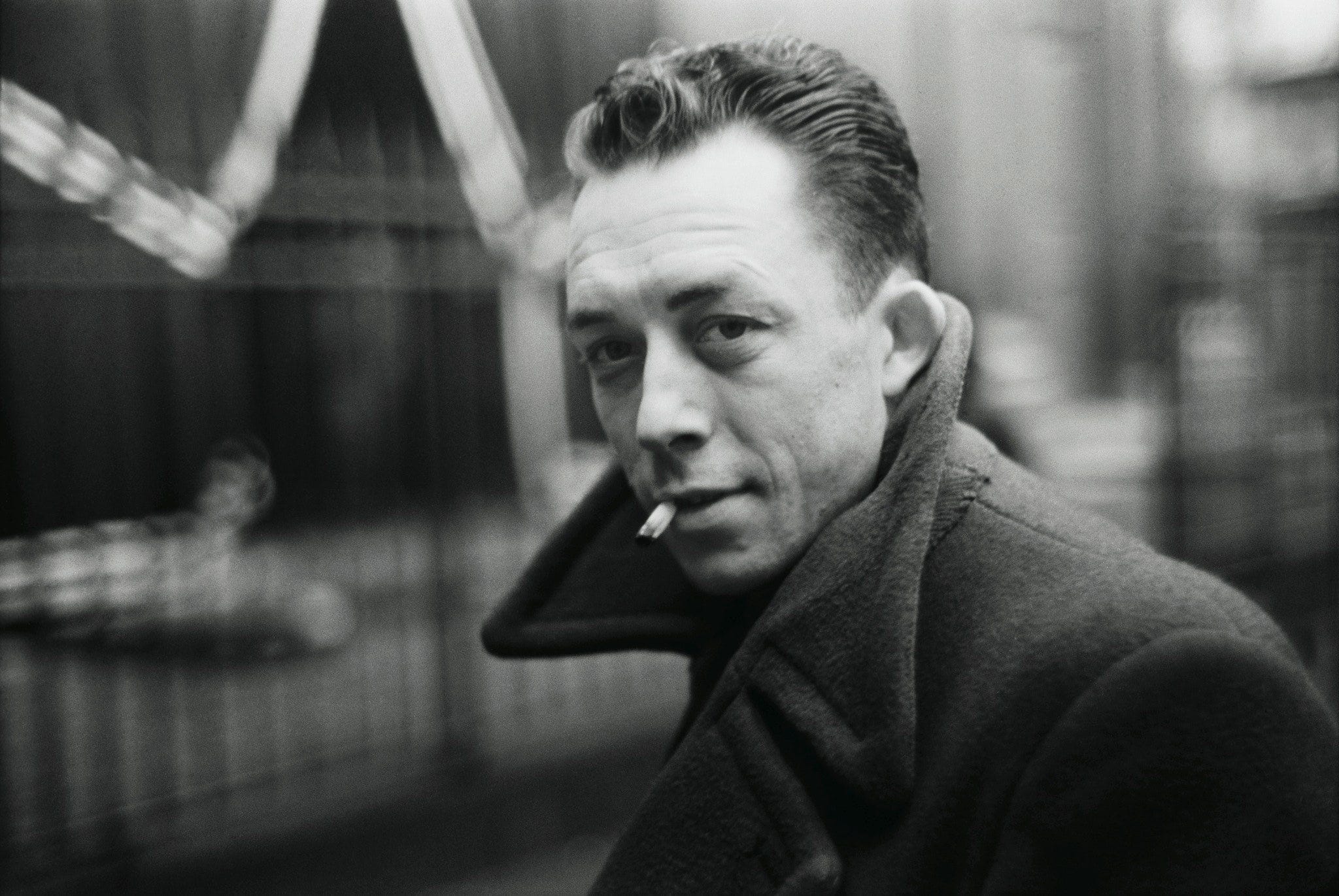
Albert Camus’ masterpiece “The Fall” is more than a novel. It is the most powerful descriptor of human psychology yet written; and a profound explainer of the modern university student mentality. Though it may have been written back in 1956, its relevance has only grown with the passing of the years.
Seen in its historical context, it is a riposte to fellow French philosopher Jean-Paul Sartre and his schizophrenic need to bash bourgeois culture all while enjoying its fruits. But viewed as a transcendental work of divine inspiration, La Chute shows the lengths modern man will go to avoid the judgmental gaze of others and regain his innocence; which, as we shall see, powerfully explains the modern madness of the American campus.
The Fall referenced in the novel’s title is an obvious allusion to Genesis and man’s fall from the Garden of Eden; Camus’ metaphor for the psychological need to return to innocence and wipe our consciences clean of responsibility. It is an image reflected in the setting of the book: the protagonist drinks away his troubles amongst the 7th circles of hell that are the Amsterdam canal system. Clémence, previously a trial lawyer up in his Parisienne ivory towers, has fallen far and now sits below sea-level in the low countries.
But what precipitated his unforeseen descent to self-reflection? Previously he had been so sure of himself; his empathy-guided values being the very definition of human perfection. There he was taking on pro-bono cases, helping the poor and escorting old ladies across the road; in his own eyes the personification of the long human search for reasoned values. A humble man seeking to do good whenever the opportunity so presented itself.
But as with so many of us that live in comfort, his values hadn’t been tested. It’s easy to preach from on high when barbarians are far from the gates. It’s easy to admire your own goodness when the rewards for self-adulation are repaid so handsomely —in the currency of enhanced social status.
Clémence was no philosopher; merely an inheritor of received wisdom. Like the students who stalk the grandiose buildings of towns called Cambridge, he had observed the values of his time and integrated them wholesale into his projected, somewhat false, public image.
Then one day Clémence’s Eden was shattered. Crossing the Seine one fateful evening, a young woman threw herself into the river below; and in this moment of missed clarity, Clémence was called upon to affirm his values or else abandon them as fraudulent. Would he jump into the gushing river, risking his own life in the name of loving his neighbour? Or would he scurry on home, praying atheistically for the poor soul he had so singularly failed to aid?
The answer is rhetorically implied. The protagonist left the stranger to her fate, studiously avoiding the news so as to be ignorant of the consequences. Yet guilt cannot be swept away so easily. Neither the psychology of lost innocence. Clémence was now to be tortured by his failure to live up to his unearned sainthood.
And so the ghosts came to haunt him. Once again he crossed the river and behind he heard the unwelcome sound of laughter. Were they laughing at him? Was he at last to be submitted to judgment? To take responsibility for the fruits of his true nature?
The laugh tormented him. So long a trial lawyer, he neither had to submit to the judgment of others nor sit upon the dais, bewigged in judgment. He could take the middle path, a modern Adam who simply had to avoid the fruit. For to eat from the Tree of Knowledge of Good and Evil would have been to have assumed responsibility for the true moral anguish of human existence.
Down amongst the drinking holes of Amsterdam, he related how he sought to rediscover paradise lost. Drowning his anxiety in the mellowing stream of intoxication had had no effect; and the pleasure of shallow promiscuity was futile as a means of redeeming his acquired loneliness.
If only he were religious! How divine tradition would have furnished the tools for purging his guilt. A quick trip to the confession box would have expelled past wrongdoing. And Yom Kippur would have conferred instant atonement. But alas, he was an atheist; a modern soul, incapable of submission, who had failed to heroically construct his own meaning.